Ready to Strengthen Your Leadership Pipeline?
Tell us what you’re looking for and one of our consultants will get in touch with you shortly.

Managing a Changing Workforce
Strategies for Leading Across Generations and Evolving Employee Expectations

Today's workplace is undergoing a significant transformation. Organizations are managing a multigenerational workforce where employees bring diverse experiences, expectations, and working styles. At the same time, rapid technological advancement, hybrid work models, and shifting career priorities are redefining what employees expect from their employers and leaders.
For managers, the challenge is no longer simply managing change. It is leading effectively across generations while creating an environment where employees feel engaged, supported, and motivated to perform at their best.
- Workforce expectations are evolving across all generations.
- The Gen Z workforce is accelerating changes in workplace culture and leadership expectations.
- Employees increasingly value purpose, growth, flexibility, and meaningful leadership.
- Managers must develop adaptive leadership capabilities to engage a multigenerational workforce.
- Organizations that invest in these capabilities are better positioned to improve employee engagement, talent retention, and business performance.
Why Is the Gen Z Workforce Receiving Increased Attention?
While every generation contributes unique strengths, the Gen Z workforce deserves particular attention because itis becoming one of the fastest-growing segments of the global workforce. Industry projections suggest that Gen Z will account for a substantial share of employees over the next decade, influencing workplace norms, leadership expectations, and organizational culture.
Research also indicates that younger employees increasingly prioritize:
- Career growth and skill development
- Meaningful and purpose-driven work
- Flexibility and wellbeing
- Recognition and feedback
- Inclusive workplace cultures
Importantly, these expectations are not exclusive to Gen Z. Many employees across age groups now seek similar experiences. However, Gen Z has accelerated these shifts, making them impossible for organizations to ignore.
The implication for leaders isclear: understanding evolving employee expectations is no longer optional; itis a business imperative.
How Can Leaders Manage a Multigenerational Workforce?
Successfully leading a multigenerational workforce requires more than understanding generational differences. It requires creating leadership practices that address the needs employees increasingly share across generations.
1. Lead with Flexibility and Clear Expectations
Employees value autonomy, but they also need clarity.
Effective leaders establish clear goals, priorities, and accountability while providing flexibility in how work gets done. This balance enables organizations to maintain performance while supporting diverse working preferences.
Outcome: Improved trust,productivity, and employee experience.
2. Invest in ContinuousLearning and Development
Development remains one of the strongest drivers of employee engagement and talent retention.
Organizations that provide learning opportunities, mentoring, coaching, and leadership development programs are better positioned to prepare employees for future challenges while strengthening organizational capability.
Outcome: Increased workforce resilience and stronger talent pipelines.
3. Foster PsychologicalSafety and Open Communication
Employees are more likely to contribute ideas, raise concerns, and collaborate effectively when they feel safe to speak up.
Leaders who encourage dialogue, listen actively, and welcome diverse perspectives create stronger, more innovative teams.
Outcome: Greater engagement,collaboration, and innovation.
4. Personalize Recognitionand Career Conversations
Different employees are motivated by different factors. Some seek advancement opportunities, while others value learning experiences, autonomy, or meaningful feedback.
Leaders who take the time to understand individual aspirations build stronger relationships and create more personalized employee experiences.
Outcome: Higher engagementand stronger retention.
5. Connect Work to Purpose
Employees increasingly want to understand how their contributions impact organizational success.
Purpose-driven leadership helps employees see the significance of their work and strengthens commitment to organizational goals.
Outcome: Greater motivationand organizational alignment.
What Skills Do Managers Need toSucceed?
As workforce transformation continues, managers must develop capabilities that go beyond traditional supervision.
Future-ready leaders demonstrate:
- Adaptive leadership
- Coaching and mentoring skills
- Effective communication
- Emotional intelligence
- Inclusive leadership
- Change management capability
- Cross-generational collaboration skills
These capabilities enable managersto navigate complexity while building trust, accountability, and performanceacross diverse teams.
Bridging GenerationalExpectations Through Leadership
One of the most significant challenges managers face today is balancing differing workplace expectations.
Senior leaders may emphasize discipline, execution, and accountability. Younger employees may prioritize purpose, trust, coaching, and flexibility.
Rather than choosing one approach over the other, leaders must learn how to bridge these expectations.
This is where the InspireOne comes in with BridgeShift. BridgeShift is a leadership simulation that helps managers bridge generational expectations by balancing accountability, coaching, trust, performance, and adaptability.
BridgeShift helps managersstrengthen four critical capabilities:
- Translate Pressure: Convert organizational demands into clear priorities without creating unnecessary stress.
- Clarify Norms: Establish shared expectations around communication, collaboration, and accountability.
- Coach Faster: Support employee growth through ongoing coaching and developmental conversations.
- Protect Delivery: Balance empathy and flexibility with performance expectations and business outcomes.
By developing these capabilities, managers can become credible with senior leaders while remaining trusted by employees across generations.
Leading the Workforce of theFuture
The future of work will belong to organizations that recognize that effective leadership is not about managing generations separately. It is about understanding evolving employee expectations and creating environments where people can thrive together.
As the workforce continues to change, leaders who combine adaptability, empathy, accountability, anddevelopment-focused leadership will be best positioned to engage talent,strengthen performance, and build future-ready organizations.
Deloitte. (2024). 2024 Gen Z andMillennial Survey: Living and working with purpose in a transforming world.Deloitte Insights.
LinkedIn Learning. (2024). WorkplaceLearning Report 2024: The rise of career development. LinkedIn Corporation
World Economic Forum. (2025). TheFuture of Jobs Report 2025. World Economic Forum.
Gallup. (2024). State of theGlobal Workplace 2024 Report. Gallup, Inc.
McKinsey & Company. (2023). Performancethrough people: Transforming human capital into competitive advantage.McKinsey & Company.
McKinsey & Company. (2024). TheState of Organizations 2024: Ten shifts transforming organizations.McKinsey & Company
Related Blogs
We believe leadership is a journey, not a destination. That's why we bring you expert-curated knowledge to help you navigate every turn.

The Middle Manager Problem: Why Organisations Cannot Transform Without Them

The New Leadership Development Agenda for 2026
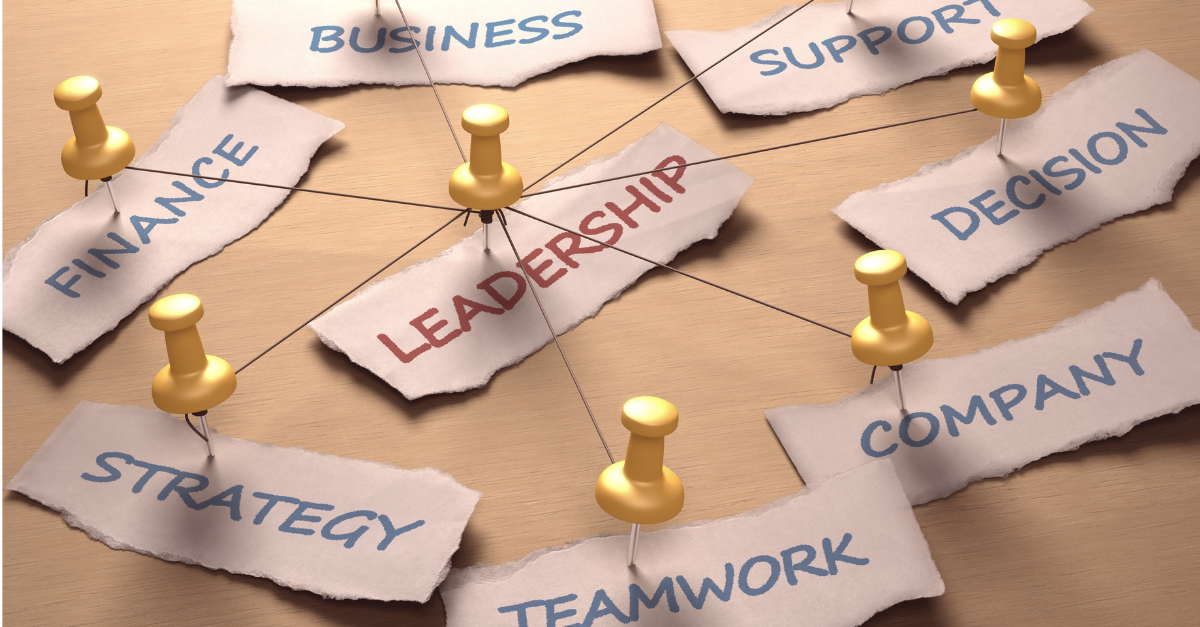
Leadership and Management Training in 2026: What Managers Need
Ready to Elevate Your Leadership?
Let’s co-create a leadership journey tailored to your team’s unique goals.

Blogs
Stay ahead with expert insights, thought leadership, and live conversations that shape the future of work and learning.
The Middle Manager Problem: Why Organisations Cannot Transform Without Them
How stronger middle managers turn strategy into action, lead change and build the leadership capacity organisations need to transform.
The New Leadership Development Agenda for 2026
Building Manager Capability for a Changing Workplace
Leadership and Management Training in 2026: What Managers Need
Discover how leadership and management training is evolving in 2026 as AI changes how managers lead teams, make decisions and drive performance.
How Can Harvard Business Impact Solutions Strengthen Leadership Development?
Building Leadership Development That Lasts in 2026